Energia e Industria: Il Mio Impegno per un Futuro Sostenibile e Competitivo
You know, at the heart of the ITRE Commission, my commitment is clear: to fight for an Europe that truly values its industry and guarantees energy security. I get it – for so many businesses and families, competitiveness and costs are real, pressing worries. That's precisely why I push tirelessly to promote policies that champion innovation, local production, and a sensible, pragmatic energy transition, all without penalizing our territories. I invite you to explore my proposals for an Europe that genuinely invests in its economic and productive future.
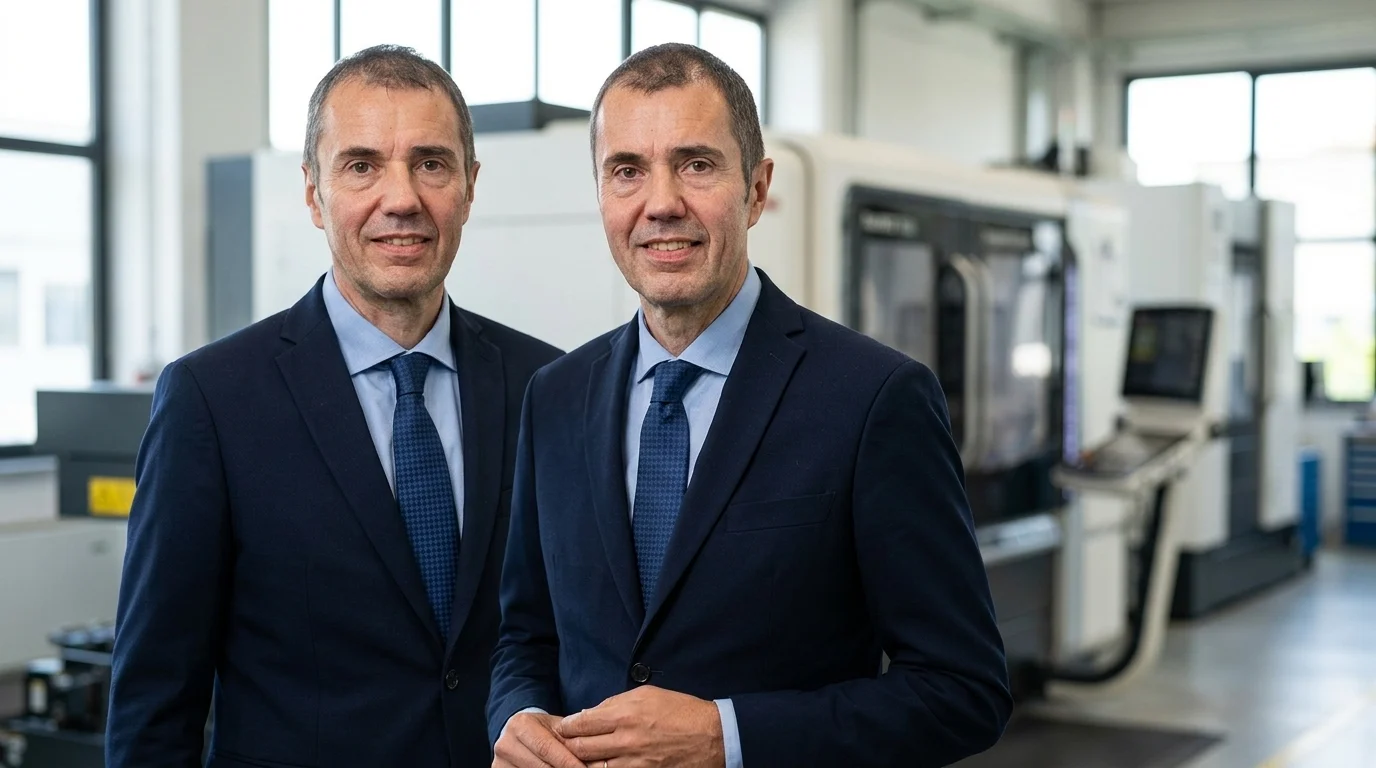 " alt="Alessandro Ciriani in Commissione ITRE per l'industria europea" />
Un'Europa forte passa per un'industria forte
Let's be clear about one thing, a simple truth really: an Europe without industry is a weak Europe. Protecting our production base isn't just about money. It's about safeguarding jobs, preserving the unique skills across our regions, and ensuring our economic and political independence. I've watched for too long as the European Union prioritized churning out new rules over actual competitiveness – a fundamental misstep that's led to policies which, far from strengthening us, threaten to cripple our productive backbone.
Il Green Deal: obiettivi ambiziosi, conseguenze disastrose
That so-called Green Deal, with its lofty goals and ever-heavier burdens, has slapped increasing costs on our businesses, often completely ignoring the global reality. We’ve demanded huge investments and super-strict standards from our own producers. Meanwhile, goods made where energy is cheaper and rules are, well, *different*, just keep flooding our market. I ask myself, and I ask you:
"What kind of environmental transition is it when emissions only drop because factories shut down and production moves to other continents?"
For me, that’s the real 'masterpiece' of the Green Deal ideologues: they’ve not just outsourced companies and jobs, but the emissions too. This isn't a genuine transition; it’s just shunting the problem elsewhere, all while punishing our industry and our people.
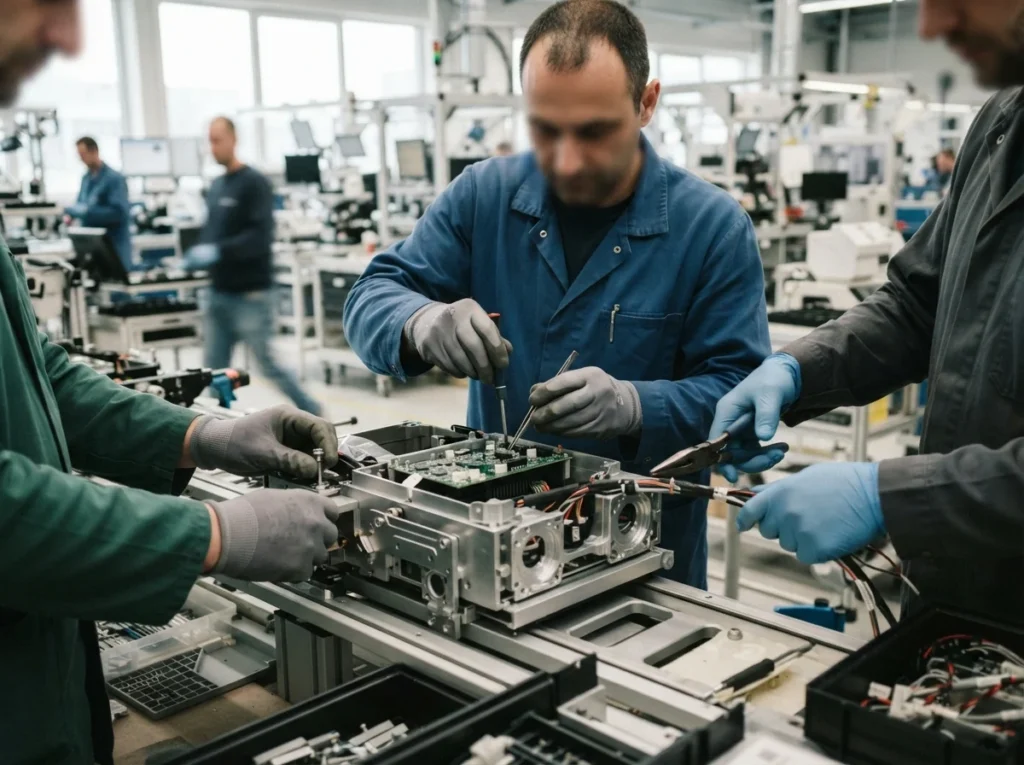 " alt="Fabbrica europea simbolo di produzione e innovazione" />
Il mio lavoro concreto per proteggere l'industria europea
CBAM: una protezione incompleta
That understanding is exactly why I got stuck into the CBAM (Carbon Border Adjustment Mechanism) work. It's meant to put a price on the emissions embedded in imported goods. The idea itself is sound, totally fair: "if a European company pays for its emissions, then anyone selling into our market should face equivalent conditions." Simple, right? But here's the catch: the protection often only covers raw materials, not the finished product. This creates a real imbalance. A European firm pays more for the steel it uses to make an appliance, yet a similar finished product from outside the Union can waltz in without the same costs.
As the Fratelli d’Italia-ECR lead in the ITRE Commission for this file, I fought hard to extend that protection across the whole supply chain, aiming to stop loopholes and evasion, and to introduce a proper safeguard clause for our strategic sectors. We made some headway, sure, but not all the essential guarantees came through. Sadly, a certain ideological mindset won out, clinging to dogma instead of fixing a tool that could end up doing the exact opposite of what it claims. This just shows how often my pragmatic approach gets tripped up by overly rigid thinking.
La revisione dell'eTS: evitare nuovi oneri per le imprese
But the fight doesn't stop there. With the same drive and determination, I'm tackling the revision of the ETS (Emissions Trading System) – the system that slaps a cost on European industries for their emissions. The theory? Gradually cut allowances to push for cleaner tech. But, as I've repeatedly pointed out, "cutting allowances doesn't magically conjure up technologies that either don't exist yet or are simply too expensive." Without real, affordable alternatives, the only outcome is higher production costs here in Europe, making it cheaper to just produce elsewhere. We're seeing the brutal effects of these policies right before our eyes, just look at the Electrolux crisis. Behind every factory, there are workers, suppliers, invaluable skills, and entire regions that deserve our protection and support. Part of my job is also making sure our small towns and their businesses can actually get their hands on EU funds that truly help them grow.
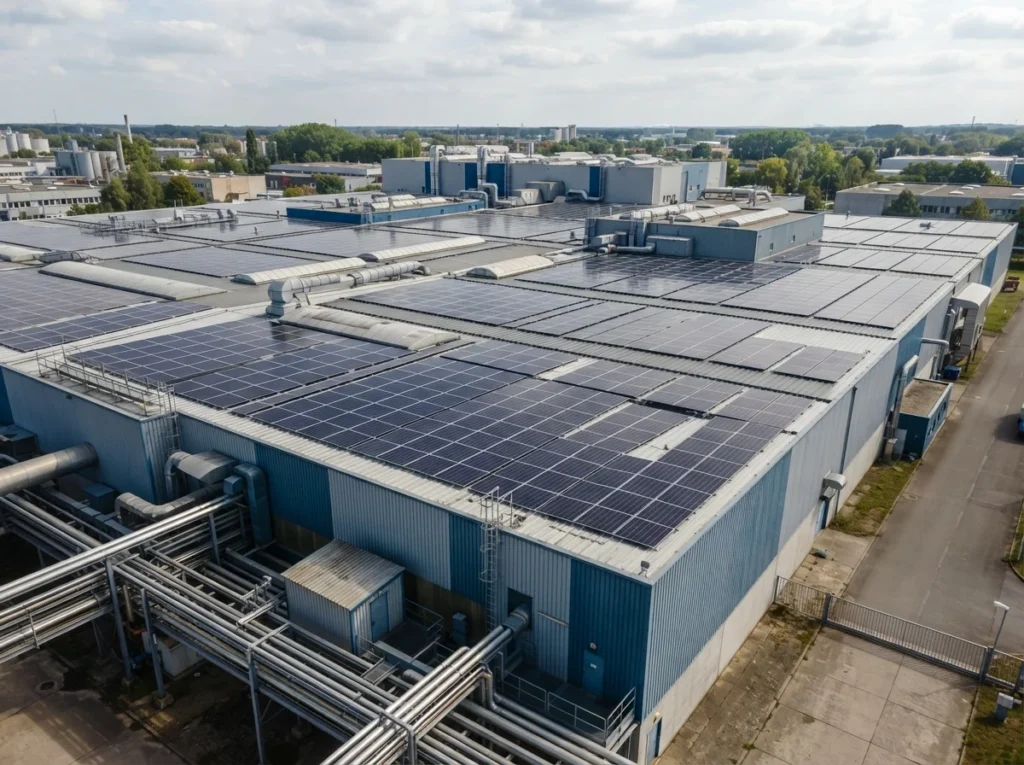 " alt="Operai in una fabbrica moderna in Europa" />
Le Cause dell'Indebolimento e Le Mie Soluzioni
Protecting our industry means digging into the root causes that are weakening it: energy prices that are simply too high and crush balance sheets, suffocating bureaucracy that stalls every good idea, unfair competition from countries playing by different rules, and environmental rules completely detached from industrial reality. My stance is simple, and it's firm: "We simply won't surrender to the idea of turning Europe into an industrial wasteland." In the ETS negotiations and on every other issue, I'll fight relentlessly to overturn this mindset and put industrial defense back at the heart of European decision-making. I want an Europe that grasps the unique character of our regions, one that truly backs our businesses, instead of punishing them with top-down policies. And yes, my work stretches beyond industry, touching on things like boosting civic and cultural participation with AgoraEU. Why? Because I believe in an Europe that builds from the ground up, by listening to people and what they actually need.
La tua voce conta per il futuro dell'industria europea
The future of our industry and the well-being of our communities hinge on the choices we make right now. My work in Europe is squarely by your side, aiming to build a future where local innovation and production are cornerstones of our economy. If you're a business owner, a worker, or simply a citizen worried about where Europe is headed, I urge you to join this conversation. Your voice isn't just important; it's essential to me.
Parliamone: Contattami SubitoDomande frequenti sul mio impegno per l'industria
Look, for me, European industry is the absolute bedrock of our economic and political independence. Like I've always said, 'an Europe without industry is a weak Europe.' Defending it means protecting millions of jobs, preserving the unique skills across our regions, and securing a thriving future for our communities and for Europe as a whole.
The challenges are many, and they're complex: sky-high energy costs eroding our competitiveness, suffocating bureaucracy that grinds innovation to a halt, unfair competition from countries playing by different rules, and environmental regulations often totally out of touch with what our industries actually face. My commitment? To tackle these root causes head-on, so we can strengthen our position.
As the Fratelli d’Italia-ECR lead in the ITRE Commission, I've poured my energy into the CBAM file to stretch protection to finished goods. And right now, I'm taking on the ETS revision to stop emission quotas from punishing our production when there aren't even real, concrete tech alternatives available. My fight is ongoing: to rebalance European policies and firmly put industry back in the spotlight.
I absolutely see the importance of environmental goals, but I strongly criticize the Green Deal's approach. It's often put rules ahead of competitiveness, imposing unbearable costs and pushing our businesses – and the emissions themselves – to relocate. I've asked myself, and I still ask: 'What kind of environmental transition is it when emissions only drop because factories close and production moves to other continents?' I believe we need a far more pragmatic, less ideological approach, one that actually considers our real production capacities and the social and economic consequences.
Your involvement? It's crucial. I truly encourage you to reach out directly – share your experiences, your worries, or your ideas. My work thrives on constant dialogue with the businesses and citizens who live the reality of production every single day. Your voice is fundamental to me in Brussels, because only by listening to concrete needs can we build truly effective policies.